
10 Best Cat Breeds for Families With Kids
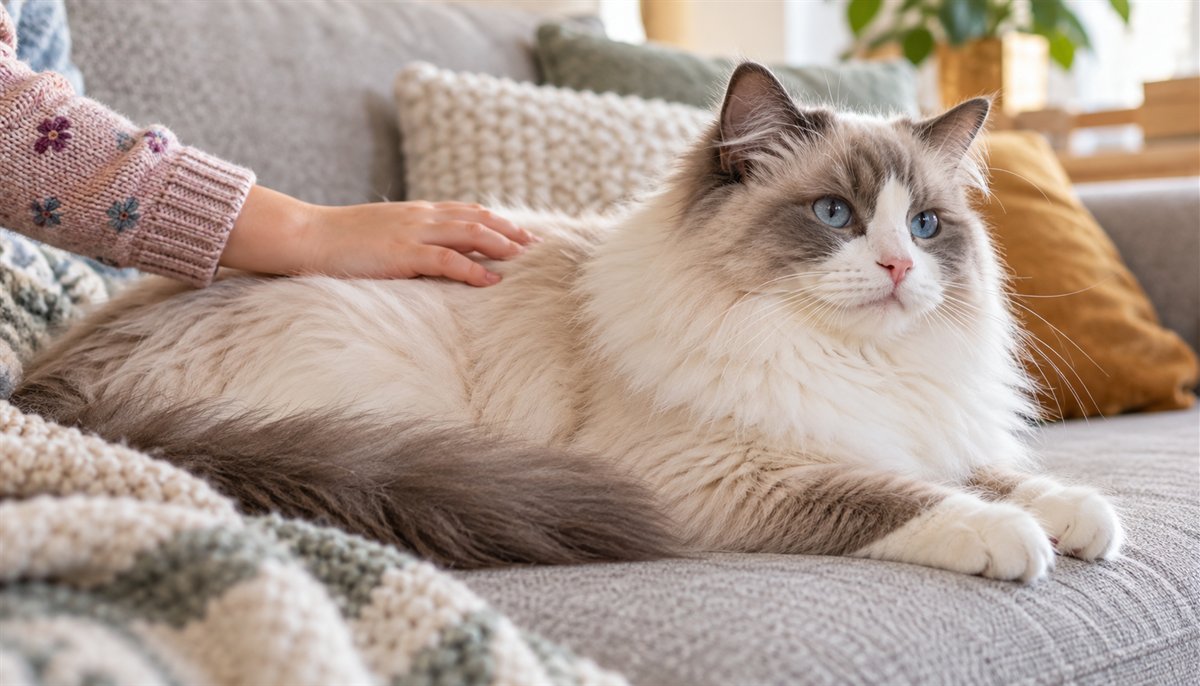
The best family cats share a short list of superpowers: patience with noise and sudden movement, a genuine liking for people (not just tolerance), and a personality sturdy enough that a wobbly toddler hug doesn't send them under the bed for a week. Drawing on breed guidance from the Cat Fanciers' Association (CFA), veterinary sources and feline behaviorists, here are ten breeds with a well-earned reputation for family life — plus the honest truth about what matters even more than breed.
What actually makes a cat "kid-friendly"?
Before the list, it helps to know what you're looking for. Feline behaviorists point to four traits: sociability (the cat seeks out human company rather than merely accepting it), tolerance (loud noises and clumsy petting don't trigger swatting), playfulness (a cat that enjoys wand-toy sessions bonds fast with kids), and confidence (bold cats recover quickly from surprises; timid cats find busy households stressful). Breed influences all four — but early socialization, the individual cat's history and how your children behave around animals influence them just as much.
The 10 best cat breeds for families
1. Ragdoll The gentle giant
Ragdolls are famous for going limp and relaxed when picked up — it's where the name comes from — and they're consistently ranked among the most docile, people-oriented breeds. They follow family members from room to room, greet kids at the door, and tolerate handling that would send most cats bolting. They're indoor cats through and through, and their semi-long coat needs brushing a couple of times a week.
Best for: families with younger children who want a calm, cuddly, dog-like cat.
2. Maine Coon The gentle dog of the cat world
America's native longhair is big (males often 13–18 lbs), famously mellow, and endlessly patient with kids. Maine Coons stay playful into adulthood, many enjoy water and fetch, and they tend to hang out near the family rather than demanding laps — a nice fit for kids who want a companion, not a clingy shadow. Budget time for grooming that glorious coat.
Best for: active households that want a sturdy, easygoing, impressive-looking cat.
3. Birman Sweet and adaptable
Blue-eyed and silky-coated, Birmans are gentle, quiet cats that adjust smoothly to busy homes, other pets and children. They like being involved in whatever's happening without being pushy about it, and their single-layer coat mats far less than most longhairs. A frequent vet-list pick for first-time cat families.
Best for: families who want a calm, low-drama companion that gets along with everyone.
4. American Shorthair The classic family cat
Bred from working cats, American Shorthairs are healthy, even-tempered and famously middle-of-the-road: playful but not hyper, affectionate but not needy, tolerant but able to remove themselves calmly when they've had enough. Their easy-care coat and typically long lifespan (15+ years) make them a practical, lovable pick.
Best for: almost any family — this is the "safe bet" of kid-friendly breeds.
5. Abyssinian High energy — happy chaos
If your kids want a playmate rather than a lap warmer, the Abyssinian is a live wire: curious, athletic, always mid-project. Abys love interactive play and learn tricks readily, but they need daily activity and climbing space — an under-stimulated Aby will invent its own entertainment, usually on your shelves.
Best for: families with school-age kids who'll actually play with the cat every day.
6. Burmese The people-lover
Burmese cats are sometimes described as "velcro cats" — deeply attached to their people, playful well into old age, and known for tolerating (even enjoying) being carried around by gentle kids. They dislike being left alone for long stretches, so they suit homes where someone's usually around.
Best for: families home a lot, who want a cat that truly wants to be with them.
7. Siamese Chatty and devoted
Smart, loud and loyal, Siamese cats form intense bonds with their families and love interactive games and conversation — they will absolutely answer back. They're wonderful with respectful kids but do best in homes that enjoy an opinionated, talkative cat rather than a quiet one.
Best for: lively families who'll find the constant commentary charming, not annoying.
8. Scottish Fold Sweet-natured (with a health note)
Folds are calm, soft-voiced and adore company, sitting happily in the middle of family life. One honest caveat: the folded-ear gene is linked to a cartilage condition (osteochondrodysplasia) that can cause joint problems, so choose responsible breeders and keep up with vet checks — or consider the identical-personality straight-eared variant.
Best for: quieter families who want a mellow companion and will stay on top of vet care.
9. Exotic Shorthair The easygoing teddy bear
All the sweet, placid Persian personality with a plush, low-maintenance short coat. Exotics are gentle, quiet and content to watch household chaos from a comfy spot, warming up to gentle kids quickly. Their flat face means keeping an eye on breathing and eye care in hot weather.
Best for: families who want a relaxed, undemanding cat without daily grooming.
10. The well-socialized shelter cat The sleeper pick
Here's the secret shelters know: an adult domestic shorthair with a known history around children is one of the safest family picks there is. Adult cats show you their real personality up front — no kitten roulette — and shelter staff can point you to the confident, people-loving cats who've already lived with kids. Vet sources consistently note that temperament testing an individual cat beats betting on breed averages.
Best for: every family willing to meet a few cats and let personality decide.
Teaching kids to be great cat people
Even the most patient breed has limits, and most scratches happen when those limits get missed. A few rules that work at any age: let the cat come to you (a cat that chooses contact stays longer); pet with an open hand along the back and cheeks, never the belly or tail; no chasing, grabbing or picking up without an adult; and every cat gets a kid-free zone — a high perch or a room with a baby gate — where it can retreat and must be left alone. Kids who learn to spot a twitching tail or flattened ears (our cat body language guide makes it a game) end up with cats that genuinely seek them out.
Kitten or adult cat?
Kittens and toddlers are a riskier mix than most people expect: kittens are fragile, bite and scratch in play, and their adult personality is a lottery ticket. For homes with children under six, many vets and shelters recommend a confident adult cat (roughly 2+ years) whose temperament you can see for yourself. For older kids, a kitten raised gently with them can build a once-in-a-lifetime bond — just supervise early handling on both sides.
Frequently asked questions
What is the #1 best cat breed for kids?
The Ragdoll is the most common top pick across vet and CFA lists thanks to its docile, floppy, people-loving temperament — with the Maine Coon and American Shorthair close behind. But an individual cat's history and socialization matter more than its pedigree: a kid-tested shelter cat is just as strong a choice.
Are male or female cats better with children?
Evidence for personality differences by sex is weak once cats are spayed or neutered — individual temperament dominates. Choose the friendliest, most confident cat you meet rather than choosing by sex.
Which cat breeds should families avoid?
It's less about "bad breeds" and more about mismatches. Highly sensitive or strongly independent breeds (some Bengals, Savannahs and very shy Persians, for example) can find noisy households stressful. Any poorly socialized cat, regardless of breed, will struggle with young kids.
Are any of these breeds hypoallergenic?
No cat is truly hypoallergenic — the allergen (Fel d 1) is in saliva and skin, not the fur itself. Some families report fewer symptoms with Siberian or Balinese cats, but spend time with a specific cat before committing if allergies are a concern.
How do I introduce a new cat to my kids?
Slowly. Give the cat its own room for the first days, let it explore the house on its terms, and have kids sit quietly and let the cat approach first — treats and a wand toy help. Calm early experiences set the tone for years; rushed ones take months to undo.
By the CanMyPet Editorial Team · Reviewed against guidance from the Cat Fanciers' Association, veterinary sources and feline behavior research · Published July 2026.